


In March 2024, I started a run club with three people.
Me, two others, a start time, and a spot at Lansdowne.
I did not have sponsors, a brand, or a growth plan. I had a Thursday and a reason to keep showing up.
By March 2025, 50-plus people were coming most weeks. By August 2026, the club was bringing more than 100 runners together on a normal Thursday.
Here is what changed, and what did not.
Why I Started It
I had been running seriously for a few years, including Ironman training and long runs that started before most people were awake.
Running alone works. It builds fitness and gives you time to think. But I wanted a group that was serious about running without making a new person feel like they had to prove something before joining.
I looked for that in Ottawa and could not find the exact version I had in mind. So I chose a place, picked a night, and invited people to meet at Lansdowne.
The First Thursday
In March 2024, three of us met at Lansdowne. The run was 5 to 6 km. The plan was to do it again the next Thursday.
I posted about it on Instagram. A few people saw the post. Two more came the next week. That was enough to keep the appointment.
The early version of the club was not polished. There was no registration system, sponsor deck, or event calendar. There was a place, a time, and the question of whether anyone would come back.
What Actually Grew the Club
Consistency came first. We kept the same Thursday night and the same general meeting point. We only cancelled for safety. If someone missed a week, they knew where to find us the next week.
The social hang mattered. The run brought people to Lansdowne. The 30 minutes afterward gave them a reason to learn names and make plans for the next week.
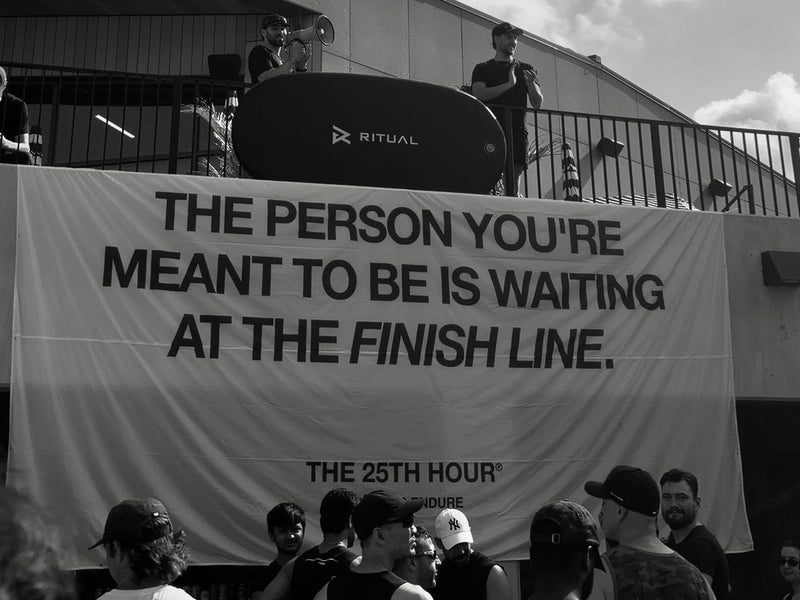
Instagram showed the real version. We posted what the club looked like on ordinary Thursdays: people arriving late from work, cold weather, different paces, and runners standing around after the route. People could watch for a while before deciding to come.
Events gave the club another entry point. PR Night turned the Thursday community into a chip-timed 5K. In 2025, 109 runners took part, with lululemon and Red Bull as partners. Some people found the club through that race and then came to a Thursday run.
The Numbers
March 2024: 3 people
Summer 2024: 15 to 20 regulars
Fall 2024: 30-plus most weeks
March 2025: 50-plus consistently
August 2026: 100-plus weekly
The growth was not even. Some weeks had 10 people. Some had 40. The useful measure was the floor. Over time, the number of regulars kept rising.
What I Got Wrong
At the beginning, I thought the club needed me at the front every week. That is true when a community is new. The organizer sets the tone because there is not enough history for the group to do it yet.
Around six months in, people kept showing up when I was not there. They organized themselves, ran the route, and stayed afterward. That was a better sign than a big week. It meant the club had started to belong to the people in it.
I also underpriced PR Night 2025. A $30 ticket for chip timing, prizes, and an athlete village helped us prove the concept, but it did not cover the real value or work of the event. The 2026 edition is being built with that lesson in mind.
Where It Is Now
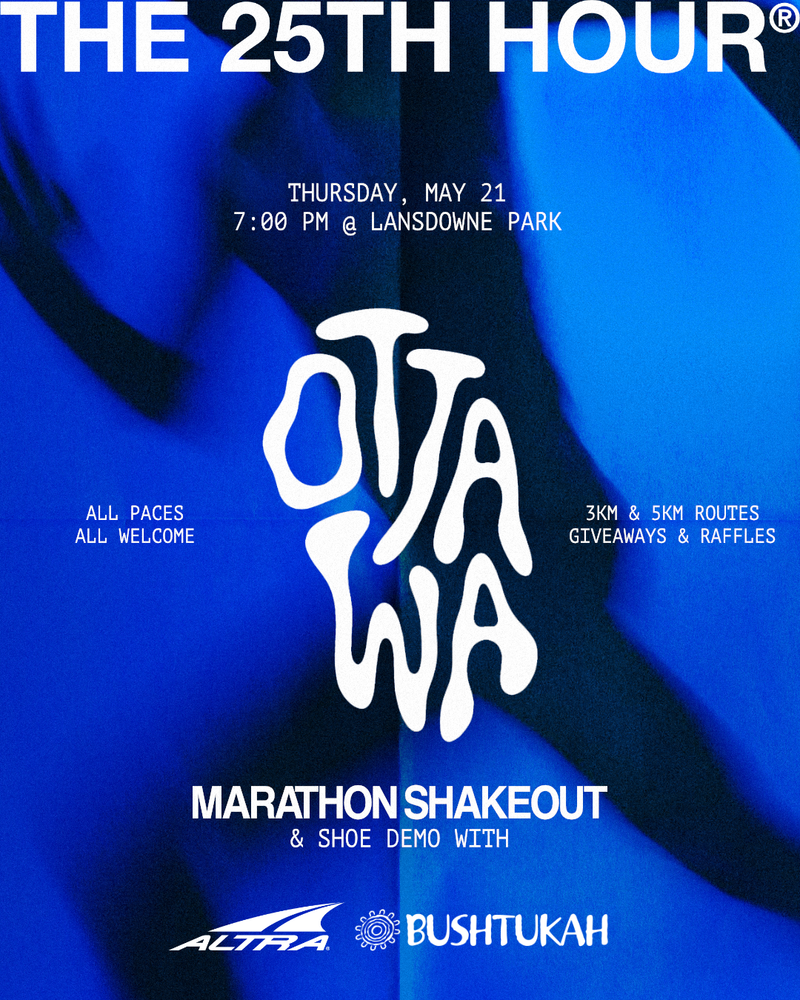
The 25th Hour meets every Thursday at 7:00 PM at Sporting Life Lansdowne. The run is 5 to 6 km, with four pace groups and a post-run social. It is free, and you do not need to sign up before your first night.
PR Night 2026 is scheduled for August 22. The event side is growing, but the Thursday run is still the test. If the club is useful on a normal week, the bigger events have something real to build on.
If You Are Thinking About Starting Something
Pick one night and one place. Make the commitment easy to understand. Then keep it long enough for people to trust it.
Do not wait for the perfect name, logo, or launch plan. The first version of The 25th Hour was three people at Lansdowne. The only reason it became anything else is that we came back the next Thursday.
If you are in Ottawa, come to Sporting Life Lansdowne on Thursday at 7:00 PM. Follow @the.25th.hr for the weekly route and reminder, or see the current Thursday schedule and first-timer details.